
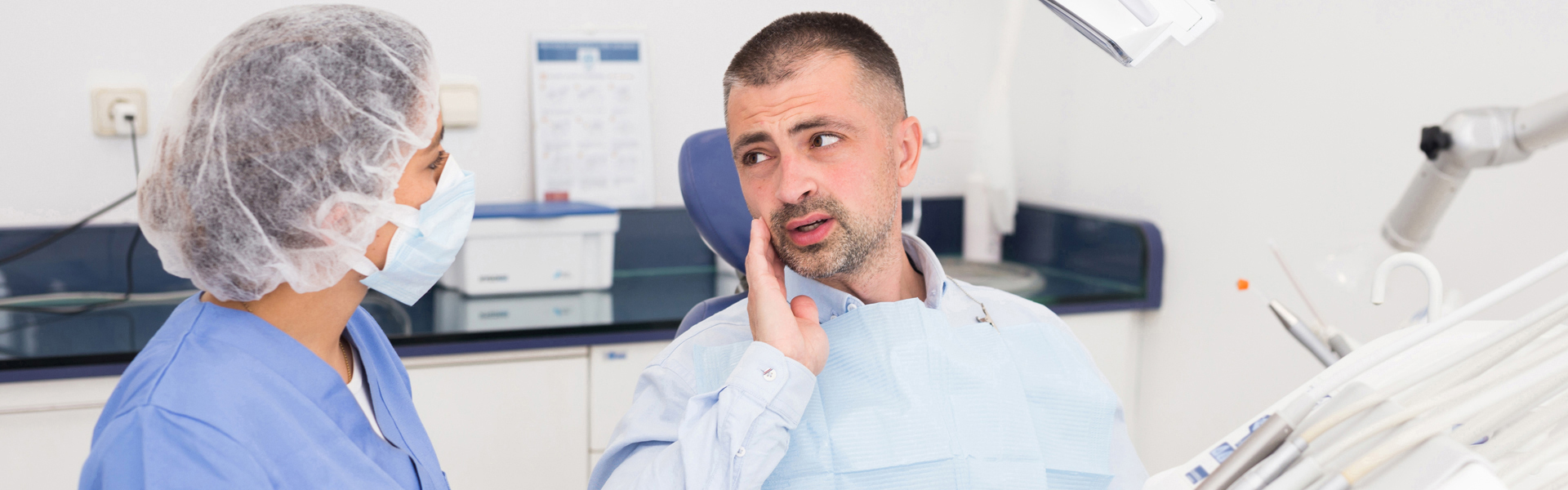
How to Tell If Your Tooth Pain Is Serious and When You Need to See a Dentist
A toothache rarely stays in the background. It can start as mild discomfort and quickly become impossible to ignore. Sometimes it fades after a few hours, while other times it grows stronger, keeps you awake, or makes eating uncomfortable. The challenge is knowing when discomfort is temporary and when it’s your body’s warning that something more serious is happening. Understanding the difference can help protect your oral health and prevent complications. If you’re wondering whether you need dental pain treatment, knowing the warning signs and recognizing these symptoms and understanding how dental professionals identify the cause of pain can help you seek treatment early and avoid more serious complications.
Understanding the Source of Tooth Pain: How a Dentist Distinguishes Between Surface Sensitivity and Deeper Dental Issues
Not every toothache has the same cause. Not all tooth pain begins in the same place. It may be caused by worn enamel or exposed dentin, or it can develop deeper inside the tooth where the nerve tissue is located.
During a tooth pain diagnosis, dentists evaluate several factors, including:
- When the pain began
- Whether it is triggered by hot, cold, or sweet foods
- How long does the discomfort last
- Whether biting makes it worse
- Whether the pain occurs without any obvious trigger
Short-lasting sensitivity often points toward enamel wear, mild gum recession, or temporary irritation. Lingering pain, however, may suggest dental pulp inflammation (pulpitis), advancing tooth decay progression, or nerve exposure that requires prompt attention.
A careful clinical evaluation helps determine the true source rather than simply treating symptoms.
Signs Your Tooth Pain Could Indicate Infection
- Symptoms Dentists Take Seriously
Some symptoms deserve immediate attention because they may indicate a painful tooth infection or developing abscess.
Watch for:
- Facial or gum swelling
- Fever accompanying dental pain
- Persistent throbbing pain
- Pain that wakes you during the night
- A bad taste or drainage inside the mouth
- Difficulty opening your mouth fully
- Swollen lymph nodes beneath the jaw
These findings may suggest a periodontal infection or a periapical abscess. Without timely treatment, a tooth infection can spread beyond the affected tooth and involve the surrounding tissues.
Many people delay care, hoping discomfort will disappear. Unfortunately, infections rarely resolve without professional treatment.
How Digital X-Rays and Clinical Exams Help Pinpoint the Cause of Pain
Pain symptoms provide important clues, but they don’t always reveal the exact cause.
Modern dental examinations combine visual assessment with advanced diagnostic imaging to identify the exact problem.
A comprehensive dental examination for tooth pain may include:
- Digital X-rays to evaluate hidden decay, bone loss, or infection.
- Gentle percussion testing to identify inflammation around the tooth root.
- Bite analysis to locate cracked teeth or damaged restorations.
- Temperature testing to evaluate nerve health.
- Gum measurements to detect periodontal disease.
Digital imaging often reveals problems long before they become visible to the naked eye. This allows dentists to recommend appropriate tooth pain treatment services based on the underlying cause rather than temporary symptom relief.
When Bite Misalignment or Jaw Strain May Be the Real Source of Your Pain
Sometimes the tooth itself is completely healthy.
Instead, discomfort comes from excessive bite pressure, teeth grinding, jaw muscle strain, or temporomandibular joint (TMJ) dysfunction.
Signs that point toward bite-related pain include:
- Morning jaw soreness
- Headaches upon waking
- Pain affecting several teeth
- Clicking or popping in the jaw
- Sensitivity while chewing without obvious decay
These situations illustrate why tooth pain causes and solutions are not always straightforward. Correcting bite imbalance or managing nighttime grinding often resolves symptoms without invasive procedures.
The Difference Between Temporary Sensitivity and Persistent Sharp Pain
- What Warrants an Examination?
Many people experience occasional sensitivity after whitening treatments or consuming very cold beverages.
Temporary sensitivity usually:
- Lasts only a few seconds
- Occurs only with specific triggers
- Gradually improves
- Does not interfere with daily activities
Persistent or sharp pain usually warrants closer attention because it often indicates an underlying dental problem.
Schedule an evaluation if you experience:
- Pain lasting longer than several days
- Sharp discomfort while biting
- Lingering pain after temperature changes
- Recurring episodes without explanation
- Pain severe enough to disturb sleep
These symptoms may indicate pulpitis, progressing decay, cracked teeth, or conditions that raise questions about how to know if a tooth needs a root canal. Early assessment provides more treatment options and may help preserve natural tooth structure.
Emergency Signs That Require Immediate Attention
- When to Call Today
Certain symptoms should never be ignored, as they may indicate a dental emergency.
Seek prompt professional care if you notice:
- Rapid facial swelling
- Difficulty swallowing
- Trouble breathing
- Uncontrolled bleeding
- Severe pain following dental trauma
- A knocked-out permanent tooth
- Sudden swelling with fever
These are recognized dental emergency signs that require urgent evaluation.
For patients searching for emergency dental care in San Diego or “urgent dental care near me”, contacting a dental office immediately helps ensure appropriate guidance and timely treatment.
Toothache Relief Options Before Your Appointment
While home care won’t fix the underlying problem, these simple steps may make you more comfortable until your appointment.
You can:
- Rinse gently with warm salt water.
- Brush carefully to remove trapped food particles.
- Apply a cold compress to reduce swelling.
- Take over-the-counter pain medication as directed.
- Avoid chewing on the affected side.
Skip placing aspirin on the affected area or trying unproven home remedies, as they can do more harm than good.
Expert Insight: Why Early Evaluation Matters
Research published by the American Dental Association and the National Institute of Dental and Craniofacial Research consistently supports early diagnosis of dental disease. Small cavities or localized inflammation are generally easier to manage than advanced infections involving the dental pulp or surrounding bone.
Ignoring pain often allows disease to progress, increasing the likelihood of more extensive procedures and longer recovery times.
Final Thoughts
Tooth pain shouldn’t be ignored, even if it seems manageable at first. It is often an important signal that something requires attention. Understanding the difference between ordinary sensitivity and symptoms requiring dental pain treatment helps protect both your oral health and overall well-being. If you’re experiencing persistent discomfort or are unsure whether your symptoms require care, scheduling an evaluation with New Smile Dentistry in San Diego, CA, provides a thorough assessment, personalized treatment planning, and guidance tailored to your specific needs.
Frequently Asked Questions
Pain accompanied by swelling, fever, prolonged sensitivity, difficulty chewing, or nighttime discomfort should be evaluated promptly because these symptoms may indicate infection or deeper nerve involvement.
No. While symptoms may temporarily lessen, the infection itself typically does not resolve without professional care and may continue spreading.
Cracked teeth, gum disease, bite problems, exposed roots, sinus pressure, and inflammation inside the dental pulp can all produce significant discomfort.
Not always. Sharp pain has several possible causes. A complete examination helps determine whether conservative treatment or endodontic therapy is appropriate.
If pain lasts longer than two days, becomes progressively worse, interferes with sleep, or is accompanied by swelling or fever, it's time to seek professional evaluation.

Dr. Shari Tahririan
Dr. Shari Tahririan, DDS, is a passionate dentist with a background in biology and art. A graduate of Oregon Health & Science University, she specializes in general dentistry and Invisalign. Dr. Tahririan is committed to combining her artistic skills with dental care to create beautiful smiles.